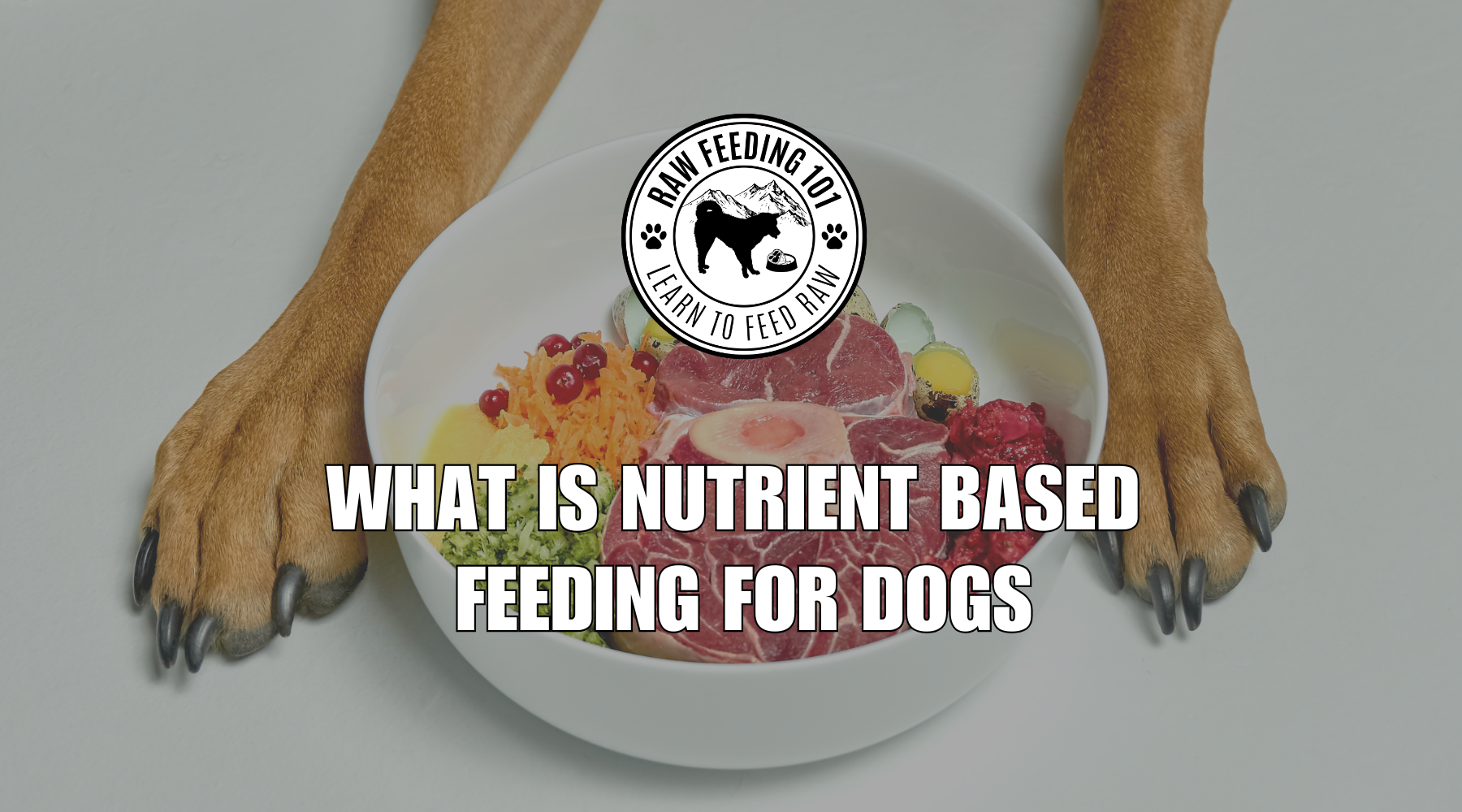
What is Nutrient Based Feeding for Dogs
Diving into the world of canine nutrition can feel like navigating a maze with all the dietary options and philosophies out there. One approach gaining traction among dog owners and veterinarians alike is nutrient-based feeding. This method isn’t about simply filling your dog’s bowl with any available kibble or homemade concoction; it’s a thoughtful strategy focused on fulfilling the precise nutritional needs of our furry friends.
Whether you’re catering to a sprightly puppy, an energetic adult, or a dignified senior dog, understanding the balance of proteins, fats, carbs, and vitamins is crucial. This article peels back the layers of nutrient-based feeding, highlighting why it’s essential for promoting a healthy, vibrant life for dogs of all ages and stages. From the key nutrients that should be on every dog’s menu to practical tips for implementing this dietary approach, we’re unpacking everything you need to know to ensure your pooch thrives.
Check out the NRC nutrient standards to learn more about nutrient based feeding
Nutrient Based Feeding for Dogs Focuses on Balanced Nutrient Intake
Nutrient-based feeding for dogs emphasizes the importance of providing a balanced diet tailored to meet the specific nutritional needs of a dog at various stages of life. This approach prioritizes the precise balance of proteins, fats, carbohydrates, vitamins, and minerals essential for optimal health, growth, and energy levels. Understanding the unique dietary requirements of dogs, including considerations for breed, age, size, and activity level, is central to this feeding strategy.
The primary goal of nutrient-based feeding is to support overall well-being and prevent nutritional deficiencies or excesses that can lead to health issues. By focusing on a balanced intake of nutrients, dogs can maintain a healthy weight, have improved digestion, and exhibit a stronger immune system. This method also takes into account the need for variety and palatability to ensure that dogs not only receive the necessary nutrients but also enjoy their meals.
Incorporating nutrient-based feeding requires careful selection of high-quality dog food products or the guidance of a veterinary nutritionist for those opting for homemade diets. It’s about creating a diet that adapts to the changing nutritional needs of a dog, from puppyhood through to their senior years, and possibly adjusting for any health conditions. This approach fosters a deeper understanding of the role nutrition plays in a dog’s life, promoting longevity and enhancing the quality of life for our canine companions.
Why is Nutrient Based Feeding Crucial for Dogs?
Nutrient-based feeding is crucial for dogs because it ensures they receive a balanced diet that supports their overall health and well-being. This approach prevents diseases linked to nutritional deficiencies or excesses, which can significantly impact a dog’s quality of life. By focusing on a diet rich in essential amino acids, fatty acids, complex carbohydrates, vitamins, and minerals, nutrient-based feeding promotes balanced growth and enhances the dog’s immune system.
It’s essential for dog owners to recognize that each dog has unique nutritional needs based on their life stage, activity level, and any special health considerations. Providing the right balance of nutrients helps avoid common health issues such as obesity, diabetes, and allergies. Ultimately, nutrient-based feeding is about giving our canine companions the best chance at a long, healthy, and happy life.
Ensures Balanced Growth, Avoiding Stunted or Excessive Growth
Nutrient-based feeding ensures dogs receive a balanced diet, crucial for proper growth. This approach prevents stunted growth in puppies and combats excessive weight gain in adults, safeguarding against obesity and associated health complications. For instance, a proper balance of calcium and phosphorus is essential for healthy bone development in puppies, preventing conditions such as rickets.
Prevents Diseases Linked to Nutritional Deficiencies or Excesses
A diet balanced in essential nutrients is key to preventing diseases caused by nutritional imbalances. Adequate levels of vitamins, minerals, proteins, and fats help prevent conditions such as heart disease, bone disorders, and diabetes, ensuring a healthier life for dogs. For example, vitamin D deficiency can lead to rickets, while excessive caloric intake can cause obesity, and too much fat may lead to pancreatitis.
Enhances the Dog’s Immune System and Disease Resistance
Key Nutrients in a Dog’s Diet
A dog’s diet must be rich in several key nutrients to ensure optimal health and vitality. These include essential amino acids from proteins for muscle and tissue repair, fatty acids from fats for energy and cell function, complex carbohydrates for sustained energy and digestive health, as well as vitamins and minerals for metabolic functions and immune support. Ensuring a dog’s diet encompasses these nutrients is fundamental for their overall well-being.
Essential Amino Acids from Proteins for Muscle and Tissue Repair
Proteins are crucial for providing essential amino acids like lysine and methionine, which are the building blocks for muscle and tissue repair. These amino acids are vital for maintaining a dog’s strength and overall health, especially after physical exertion or injury.
Fatty Acids from Fats for Energy and Cell Function
Fats offer a concentrated source of energy and are key for healthy cell function, organ protection, and maintaining a lustrous coat. Specifically, Omega-3 and Omega-6 fatty acids, such as EPA and DHA, are critical for cognitive development and managing inflammation, supporting a dog’s overall well-being.
Complex Carbohydrates for Sustained Energy and Digestive Health
Complex carbohydrates provide a steady source of energy, essential for keeping dogs active throughout the day. They also support digestive health, aiding in regular bowel movements and fostering a healthy gut microbiome. Examples include barley and sweet potatoes.
Vitamins A, D, E, and K for Metabolic and Immune Function
Vitamins play a pivotal role in a dog’s diet, supporting everything from metabolic processes to immune health. Vitamin A is key for vision and skin, Vitamin D for bone growth and calcium absorption, Vitamin E for cell function and fat metabolism, and Vitamin K for blood clotting and healing.
Minerals like Calcium and Phosphorus for Bone Health
Minerals such as calcium and phosphorus are essential for strong bones and teeth, with a balanced intake necessary to prevent skeletal issues. These minerals support a dog’s structural health, ensuring they can lead an active and healthy life.
| Nutrient | Sources | Roles |
| Essential Amino Acids | Lean meats, fish, eggs | Muscle repair, growth, immune function |
| Fatty Acids (Omega-3 & Omega-6) | Fish oil, flaxseed, canola oil | Energy, cell function, coat health, anti-inflammatory |
| Complex Carbohydrates | Barley, sweet potatoes, peas | Energy, digestive health |
| Vitamins A, D, E, K | Liver, fish oils, leafy green vegetables, egg yolks | Vision, bone health, antioxidant, blood clotting |
| Minerals (Calcium, Phosphorus) | Dairy products, fish, bones | Bone and tooth health |
This comprehensive approach to nutrient intake ensures dogs receive the balanced nutrition necessary for a healthy and vibrant life.
Determining the Right Nutrient Balance
Determining the right nutrient balance for a dog involves assessing several key factors to ensure their diet supports all aspects of their health and lifestyle. It’s crucial to consider the life stage of the dog—puppy, adult, or senior—as each stage has distinct nutritional requirements. Special needs, such as pregnancy, lactation, or high activity levels in working dogs, significantly impact dietary requirements.
Additionally, health conditions like obesity, diabetes, and allergies require a tailored approach to nutrition. A diet that’s carefully balanced for these conditions can improve a dog’s quality of life and potentially reduce the need for medical interventions. Achieving the right nutrient balance is a dynamic process that involves regular assessment and adjustments, often in consultation with a veterinary nutritionist or veterinarian.
Assess Based on Life Stage: Puppy, Adult, Senior
| Life Stage | Nutritional Needs | Examples |
| Puppy | Higher calories, DHA for brain development | Puppy-formulated kibble, high-protein foods |
| Adult | Balanced diet for maintenance, proteins for muscle upkeep | Adult dog food with a mix of meats, grains, and vegetables |
| Senior | Lower calories, supplements for joint health | Senior dog food, omega-3 supplements, glucosamine |
Factor in Special Needs: Pregnancy, Lactation, Working Dogs
| Condition | Nutritional Adjustments | Examples |
| Pregnancy | Increased calories and nutrients, especially in the last half of gestation | High-calorie diets, puppy food |
| Lactation | Significantly increased calorie and water intake | Puppy food, fresh water available at all times |
| Working Dogs | High-energy foods with increased fat and protein | Performance dog foods, additional protein supplements |
Adjust for Health Conditions: Obesity, Diabetes, Allergies
| Health Condition | Dietary Strategy | Examples |
| Obesity | Low-calorie, high-fiber for satiety | Weight management foods, lean meats, vegetables |
| Diabetes | Consistent carbohydrate intake, low-glycemic foods | Specialized diabetic dog food, fiber-rich vegetables |
| Allergies | Limited ingredient diets, novel protein sources | Hypoallergenic dog food, novel proteins like kangaroo or venison |
This detailed approach to determining the right nutrient balance, supported by specific examples, provides a comprehensive guide to tailoring a dog’s diet to their unique needs, promoting optimal health and well-being.
Common Nutrient Sources for Dogs
Identifying common nutrient sources is essential for crafting a balanced diet for dogs. Lean meats and fish serve as excellent sources of high-quality proteins, providing the essential amino acids necessary for muscle and tissue repair. Flaxseed and fish oils are rich in omega-3 fatty acids, crucial for energy, cell function, and maintaining a healthy coat.
For sustained energy and digestive health, whole grains and vegetables offer complex carbohydrates and fiber. Additionally, many commercial dog foods are specifically formulated to meet the nutritional needs of dogs at different life stages, ensuring a balanced intake of all essential nutrients. By combining these sources, dog owners can provide a varied and nutritious diet that supports their pet’s overall health and well-being.
Lean Meats and Fish for High-Quality Proteins
Lean meats and fish are crucial for providing dogs with high-quality proteins. These sources offer essential amino acids vital for muscle and tissue repair, supporting overall strength and vitality in dogs.
| Protein Source | Benefits |
| Chicken | High in protein, low in fat, good for muscle growth and repair |
| Salmon | Rich in omega-3 fatty acids, supports skin and coat health |
| Turkey | Lean protein, low in fat, supports muscle maintenance |
| Beef | High in protein, vitamins, and minerals, supports overall health |
Flaxseed and Fish Oils for Omega-3 Fatty Acids
Flaxseed and fish oils stand out as rich sources of omega-3 fatty acids, key for energy, cell function, and maintaining a healthy skin and coat. Omega-3s are also known for their anti-inflammatory properties and support for cognitive health.
| Omega-3 Source | Benefits |
| Flaxseed oil | Plant-based omega-3s, supports skin and coat health |
| Fish oil (Salmon, Sardines) | High in EPA and DHA, supports joint health, cognitive function |
Whole Grains and Vegetables for Fiber and Carbohydrates
Incorporating whole grains and vegetables into a dog’s diet provides valuable fiber and carbohydrates, promoting digestive health and offering sustained energy. These nutrients are essential for a healthy metabolism and active lifestyle.
| Source | Nutrient | Benefit |
| Brown rice | Carbohydrates | Sustained energy, good for digestion |
| Sweet potatoes | Fiber, Vitamins | Digestive health, immune support |
| Carrots | Fiber, Vitamin A | Eye health, low-calorie treat |
| Peas | Fiber, Protein | Digestive health, protein source |
Commercial Dog Foods Balanced for Specific Life Stages
Commercial dog foods tailored for specific life stages offer a convenient way to ensure dogs receive a balanced intake of essential nutrients. These foods are formulated to meet the unique nutritional requirements of puppies, adults, and senior dogs, aiding in their overall health and well-being.
| Life Stage | Consideration | Example |
| Puppy | High in calories and nutrients for growth | Puppy-specific formula with DHA for brain development |
| Adult | Balanced for maintenance | Adult formula with optimal protein and fat levels |
| Senior | Lower in calories, supportive of joint health | Senior formula with glucosamine and chondroitin |
Incorporating these specific nutrient sources into a dog’s diet, whether through high-quality commercial foods or carefully selected homemade meals, is key to supporting their health and well-being at every stage of life.
Challenges in Nutrient Based Feeding
One of the primary challenges in nutrient-based feeding is identifying reliable nutrient sources while avoiding fillers that offer little nutritional value. This requires a deep understanding of dog nutrition and the ability to discern the quality of various food products. Another challenge is balancing homemade diets with commercial foods.
Homemade diets allow for customization but require knowledge and effort to ensure they meet all of a dog’s nutritional needs. Commercial foods, while convenient, vary greatly in quality, and finding the right balance between the two can be complex. Additionally, recognizing and addressing signs of nutritional imbalance is crucial.
Symptoms of deficiencies or excesses in certain nutrients may not be immediately apparent, and without proper knowledge, dog owners might overlook these signs. Regular veterinary check-ups and a willingness to adjust the diet as needed are essential for overcoming these challenges and ensuring the health and well-being of dogs through nutrient-based feeding.
Identifying Reliable Nutrient Sources and Avoiding Fillers
| Challenge | Signs to Look For | Solutions |
| Identifying Reliable Nutrient Sources | Unclear ingredient lists, presence of non-specific meat sources or by-products | Choose foods with clear, specific ingredient lists, prioritize named meat sources |
| Avoiding Fillers | High content of grains or other fillers listed at the top of the ingredient list | Select foods where whole meats, vegetables, or high-quality proteins are the primary ingredients |
Balancing Homemade Diets with Commercial Foods
| Challenge | Considerations | Solutions |
| Homemade Diets | Nutritional completeness, time, and effort required | Consult with a veterinary nutritionist to ensure the diet is balanced; consider supplementing with commercial foods |
| Commercial Foods | Quality and nutritional adequacy | Choose high-quality commercial foods that meet AAFCO standards; use as a base or supplement to homemade meals |
Recognizing and Addressing Signs of Nutritional Imbalance
| Nutritional Imbalance | Signs | Recommended Actions |
| Protein Deficiency | Lethargy, muscle wasting, poor coat quality | Increase high-quality protein sources in the diet |
| Excess Calories | Weight gain, obesity | Adjust portion sizes, increase exercise, consult with a vet for a diet plan |
| Vitamin/Mineral Deficiency | Various, depending on the specific nutrient (e.g., brittle bones for calcium deficiency) | Supplement the specific vitamin/mineral, adjust diet to include more sources of the nutrient |
This detailed table approach addresses the challenges in nutrient-based feeding by providing clear signs to look for and actionable solutions, ensuring dog owners can effectively manage their pets’ diets for optimal health.
Tips for Successful Nutrient Based Feeding
For successful nutrient-based feeding, regular veterinary check-ups are crucial. These visits allow for dietary adjustments based on a dog’s evolving health and nutritional needs. Educating oneself on reading and understanding pet food labels is also essential.
Knowing how to identify high-quality ingredients and the right balance of nutrients can greatly enhance a dog’s diet. Furthermore, introducing variety into a dog’s diet can prevent boredom and ensure a broad spectrum of nutrients. This can include a mix of high-quality commercial foods, alongside carefully selected homemade meals and healthy treats.
Together, these strategies form a comprehensive approach to achieving and maintaining optimal health through diet.
Regular Veterinary Check-Ups for Dietary Adjustments
Regular veterinary check-ups are pivotal for customizing a dog’s diet to their unique health needs. These assessments allow for timely dietary adjustments, ensuring the nutritional plan remains aligned with the dog’s health status and lifestyle demands. Veterinarians play a crucial role in identifying any gaps or excesses in the diet and recommending changes to optimize health.
Educate on Reading and Understanding Pet Food Labels
Becoming proficient in reading and understanding pet food labels is essential for making informed decisions about a dog’s diet. Dog owners should familiarize themselves with the significance of ingredients, the importance of the nutritional adequacy statement, and how to gauge the balance of proteins, fats, and carbohydrates. This knowledge is key to selecting foods that fulfill the dog’s nutritional requirements and support their overall health.
Introduce Variety to Prevent Boredom and Enhance Nutrient Intake
Incorporating variety into a dog’s diet is a strategic move to ward off mealtime monotony and broaden the spectrum of nutrients consumed. Alternating among high-quality commercial foods, adding nutritious homemade options, and providing healthy snacks can make meals more appealing. This approach not only keeps dogs engaged with their food but also promotes a more balanced and comprehensive nutrient intake, contributing to their well-being and vitality.