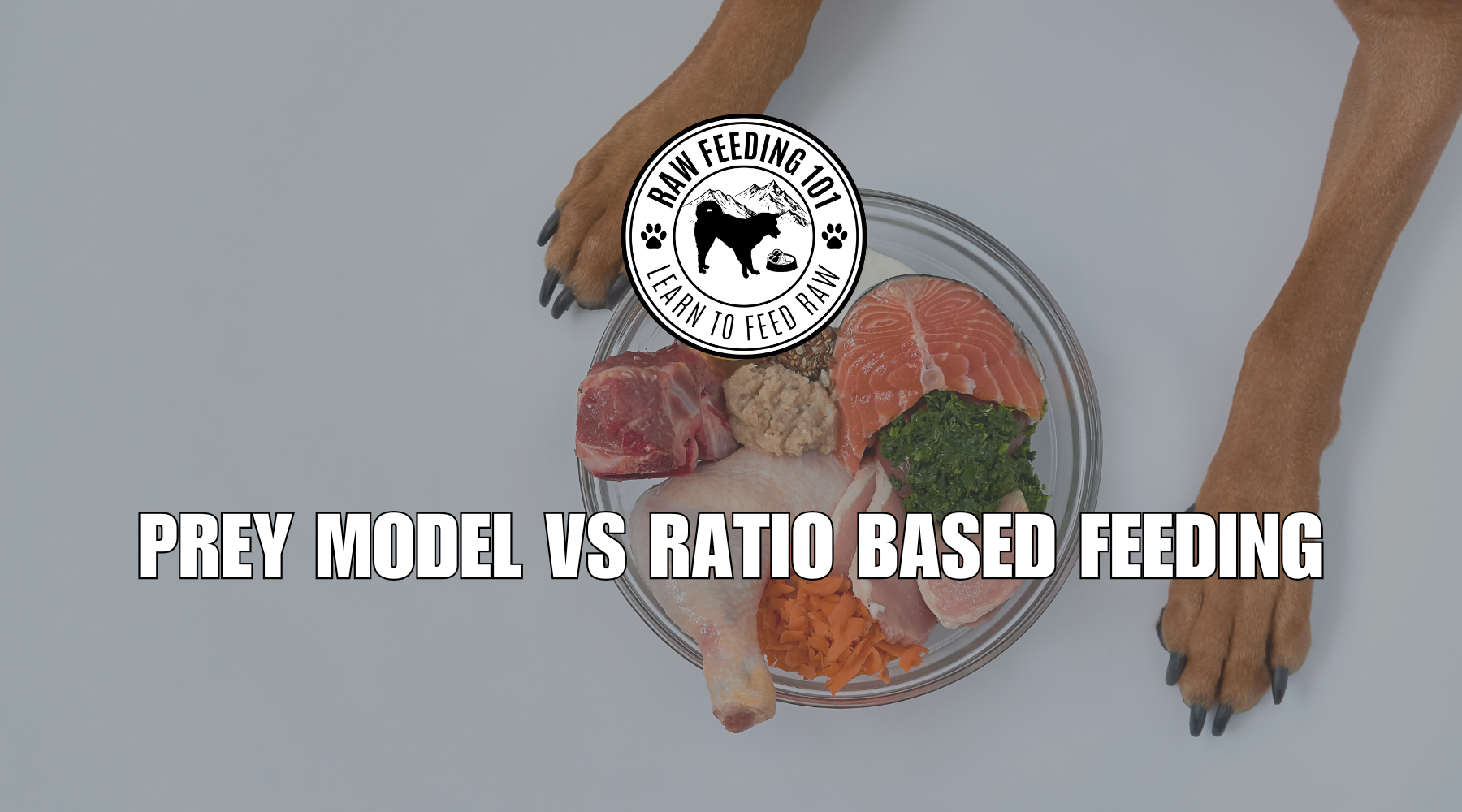
Prey Model vs Ratio Based Feeding
Deciding on the best diet for your furry friend can be a puzzle, with Prey Model and Ratio Based feeding being two popular pieces to consider. Prey Model feeding takes a back-to-basics approach, mimicking the natural diet of wild ancestors with raw meats, bones, and organs. It’s all about keeping it real and raw, aiming for optimal health by replicating what nature intended.
On the flip side, Ratio Based feeding offers a structured yet flexible diet plan, focusing on balancing proteins, fats, and carbs to suit your pet’s unique needs. Whether you’re leaning towards the raw simplicity of the Prey Model or the tailored precision of Ratio Based feeding, both paths promise a journey towards a healthier, happier pet. This article dives into the ins and outs of each method, helping you make an informed choice on which diet could be the best fit for your four-legged companion.
What is Prey Model feeding?
Prey Model feeding is a dietary strategy for pets, especially dogs and cats, that emphasizes a return to a diet similar to their wild ancestors. This approach focuses on feeding raw, whole prey components, aiming to closely mimic what these animals would consume in a natural setting. The philosophy behind Prey Model feeding is that pets will achieve optimal health when their diet reflects that of their wild counterparts, consisting primarily of raw meat, bones, organs, and occasionally small amounts of raw fruits and vegetables to simulate the stomach contents of prey.
Specific examples of typical prey animals or parts that might be included in a Prey Model diet are chicken (including necks, backs, and organs), beef (muscle meat, liver, and kidneys), and rabbits. Each component offers unique nutritional benefits: bones provide calcium and phosphorus; liver is a rich source of vitamin A and iron; muscle meats offer high-quality protein and essential fatty acids. This variety ensures a comprehensive intake of essential nutrients, following the specific ratio of dietary components, typically 80% muscle meat, 10% bones, and 10% organs (with half of the organ portion being liver), designed to ensure a balanced intake of essential nutrients.
Advocates of this diet suggest numerous health benefits, including improved dental health, healthier skin and coat, increased lean muscle mass, and enhanced digestion. Nonetheless, implementing this diet requires a deep commitment to understanding pet nutrition and a proactive approach to managing potential risks such as bacterial contamination and nutritional imbalances. Embracing Prey Model feeding involves a significant shift towards natural feeding practices, away from conventional processed pet foods.
It appeals to pet owners seeking to align their pets’ diets with evolutionary nutritional needs, underlining a dedication to sourcing and preparing a variety of raw ingredients to support their pets’ health and well-being.
What is Ratio Based feeding?
Ratio Based feeding is a structured approach to pet nutrition, focusing on delivering a balanced diet through specific proportions of protein, fat, and carbohydrates. This method stands out for its flexibility, allowing for a diverse range of ingredients, both raw and cooked, to cater to the unique nutritional needs of pets. The essence of Ratio Based feeding lies in customizing nutrient profiles to match an individual pet’s specific requirements, taking into account their age, weight, activity level, and any health issues.
The foundational ratios, typically starting at 50% protein, 30% fat, and 20% carbohydrates, serve as a guideline for pet owners to adjust according to their pet’s health and lifestyle needs. This tailored approach is especially advantageous for pets with particular health concerns, like those needing weight management or with food sensitivities. Implementing Ratio Based feeding necessitates a solid grasp of pet nutritional needs and precise measurement of ingredients, often with the aid of a kitchen scale, to ensure each meal is nutritionally complete and balanced.
For pet owners seeking a customized diet plan that can evolve with their pet’s nutritional needs, Ratio Based feeding offers a detailed and adaptable feeding strategy. It underscores a commitment to the proactive management of a pet’s dietary health, providing a methodical yet flexible framework for nutrition that prioritizes the pet’s overall well-being. Illustrative examples of how a pet’s diet might be adjusted under this model could be beneficial.
For instance, detailing how the ratios might change for a highly active dog versus a sedentary one, or providing an example of a meal plan, would offer practical insights into implementing this feeding strategy.
Why choose Prey Model feeding?
Choosing Prey Model feeding for your pet is a decision to embrace a diet that closely mimics the natural eating habits of their wild ancestors. This approach advocates for a nutritional regime consisting mainly of raw meats, bones, and organs, aiming to mirror what these animals would naturally consume in the wild. One of the key benefits of this method is the promotion of dental health through the chewing of raw bones, which acts as a natural mechanism for cleaning teeth and strengthening jaw muscles.
Moreover, Prey Model feeding is often preferred for its potential to reduce food allergies, by eliminating processed foods and grains that are common allergens for many pets. This shift towards whole, unprocessed ingredients can lead to noticeable improvements in skin and coat health, fewer digestive problems, and an overall boost in well-being. Embracing the Prey Model diet means committing to the procurement of a variety of raw ingredients and maintaining vigilant oversight of your pet’s health and nutritional intake.
Despite these commitments, many pet owners find the potential health benefits and the appeal of providing a more natural diet makes Prey Model feeding a compelling option. It signifies a return to the fundamentals of animal nutrition, prioritizing the quality and natural source of each component in the diet.
Mimics natural diet of wild ancestors
Prey Model feeding closely mimics the natural diet of a pet’s wild ancestors, focusing on a diet rich in raw meats, bones, and organs. This approach aims to optimize health by providing pets with what they are evolutionarily designed to eat. Emulating the dietary patterns of wild relatives, Prey Model feeding fosters a holistic and evolutionarily consistent approach to pet nutrition.
Promotes dental health through raw bone chewing
A significant advantage of Prey Model feeding is its role in promoting dental health. The act of chewing raw bones naturally cleans teeth and strengthens jaw muscles, contributing to the removal of tartar and plaque while promoting healthier gums. This natural method of maintaining dental hygiene reduces the need for artificial dental products and procedures, offering a practical and effective solution for pet owners.
Reduces food allergies by eliminating processed foods
By eliminating processed foods from a pet’s diet, Prey Model feeding substantially lowers the risk of food allergies. Many commercial pet foods contain grains and fillers that can lead to allergic reactions. Adopting a Prey Model diet means opting for a cleaner, whole-food-based diet, devoid of common allergens, which can result in improved skin and digestive health.
This not only enhances the pet’s overall well-being but also supports a stronger immune response.
Why choose Ratio Based feeding?
Choosing Ratio Based feeding offers a customizable and flexible approach to pet nutrition, enabling pet owners to precisely tailor diets to meet their pet’s specific dietary needs. This method stands out for its use of specific ratios of protein, fat, and carbohydrates, which can be adjusted to address individual health concerns, such as weight management or dietary sensitivities. The adaptability of Ratio Based feeding is particularly advantageous for pets with unique dietary requirements or for those who may not respond well to more restrictive diets.
The core advantage of Ratio Based feeding is the ability to tailor nutrient profiles for optimal balance, ensuring pets receive a diet that is appropriate for their age, activity level, and overall health condition. This approach facilitates the inclusion of a variety of both raw and cooked ingredients, making it easier for pet owners to provide a nutritionally complete and varied diet. It empowers owners with the knowledge to make informed decisions about their pet’s nutrition, thereby enhancing the pet’s health and vitality.
Opting for Ratio Based feeding requires a commitment to understanding your pet’s nutritional needs and a proactive stance on meal preparation. Despite the effort involved, the benefits of a customized, balanced diet that evolves with your pet’s nutritional requirements make Ratio Based feeding a compelling choice for many pet owners.
Allows for tailored nutrient profiles for individual needs
Ratio Based feeding excels in its capacity to customize nutrient profiles for each pet’s unique requirements. This approach empowers pet owners to fine-tune the mix of protein, fat, and carbohydrates, ensuring meals are perfectly aligned with the pet’s specific age, size, activity levels, and any health issues. Tailoring nutrition in this way is fundamental for maximizing health benefits and addressing any unique dietary needs or sensitivities.
| Nutrient | Adult Dog | Senior Dog | Active Dog | Dog with Diabetes |
| Protein | 50% | 45% | 55% | 40% |
| Fat | 30% | 25% | 35% | 20% |
| Carbs | 20% | 30% | 10% | 40% |
Easier to balance over time with varied ingredients
One of the standout benefits of Ratio Based feeding is its versatility in using a diverse array of ingredients, which simplifies the process of achieving a balanced diet. This method allows for a rotation of different foods, preventing dietary monotony and ensuring pets benefit from a wide range of nutrients. The ease of adjusting and varying ingredients to suit availability and the pet’s evolving nutritional demands makes Ratio Based feeding a sustainable option for long-term dietary health.
| Day | Protein Source | Fat Source | Carb Source | Notes |
| Monday | Chicken | Olive Oil | Sweet Potato | High energy for active days |
| Tuesday | Beef | Flaxseed | Brown Rice | Omega-3 for coat health |
| Wednesday | Turkey | Coconut Oil | Quinoa | Lighter meal, easy digestion |
| Thursday | Salmon | Avocado | Pumpkin | Omega-3 and fiber-rich |
| Friday | Lamb | Chia Seeds | Peas | High protein, muscle support |
| Saturday | Rabbit | Walnut Oil | Apples | Lean protein, low-fat |
| Sunday | Venison | Almond Oil | Carrots | Game meat for variety |
Supports specific health needs like weight management
Ratio Based feeding is notably effective for managing specific health conditions, including weight management. By meticulously adjusting the ratios of macronutrients, pet owners can craft diets that support their pet’s weight goals—be it loss, gain, or maintenance. This precise control over the diet aids in meeting health goals without sacrificing nutritional balance, providing a targeted approach to managing weight while ensuring overall health and well-being.
| Goal | Protein | Fat | Carbs | Example Plan |
| Weight Loss | 50% | 20% | 30% | Higher protein to promote satiety, lower fat |
| Weight Gain | 40% | 35% | 25% | Increased fat for calorie density |
| Maintenance | 50% | 30% | 20% | Balanced for ongoing health |
How to transition to Prey Model feeding?
Transitioning to Prey Model feeding is a process that should be approached with care and attention to detail. Here’s a structured plan to help guide pet owners through the transition:
Gradually introduce raw meats and bones
Start by slowly incorporating small amounts of raw meat into your pet’s existing diet, gradually increasing the raw portion over time. This can be done over a period of weeks, allowing your pet’s digestive system to adjust. Begin with easily digestible meats like chicken or turkey, and introduce raw bones that are appropriate for your pet’s size.
Monitor pet’s digestion and stool quality
As you transition, it’s crucial to observe your pet’s digestion and stool quality. Look for signs of digestive distress and adjust the transition pace accordingly. Healthy stools should be firm and well-formed.
Any significant changes in stool consistency or frequency may indicate the need to slow down the transition process.
Consult with a veterinarian for guidance
Consulting with a veterinarian who has experience with raw diets can provide valuable insights and guidance. They can offer advice on nutritional balance, safe handling practices, and how to monitor your pet’s health throughout the transition. This professional input is essential to ensure the dietary change is beneficial and safe for your pet.
How to transition to Ratio Based feeding?
Transitioning to Ratio Based feeding involves a structured approach, starting with foundational ratios of protein, fat, and carbohydrates and adjusting these based on your pet’s unique needs. This method requires a solid understanding of nutritional modifications in response to various factors such as age, activity level, and health conditions. Initially, pet owners might use a guideline such as 50% protein, 30% fat, and 20% carbohydrates, fine-tuning these figures to align with their pet’s specific dietary requirements.
Using a kitchen scale for precise measurements is crucial in this feeding approach, ensuring each meal adheres to the desired ratios. This accuracy is key to maintaining dietary consistency, which is vital for the pet’s health. Monitoring your pet’s response to the diet is also essential, with adjustments made based on observations of their weight, energy levels, and overall well-being.
These indicators help determine the diet’s effectiveness. Consulting with a veterinarian or a pet nutritionist is highly recommended during this transition. Their expertise can help refine the diet to avoid nutrient imbalances and ensure the pet’s health is fully supported, especially valuable for pets with specific dietary needs or health concerns.
Start with basic ratios of protein, fat, and carbs
To begin, establish initial ratios of protein, fat, and carbohydrates. These ratios serve as the foundation for a diet that can be customized to meet your pet’s nutritional needs. A common starting point is:
| Nutrient | Starting Ratio |
| Protein | 50% |
| Fat | 30% |
| Carbohydrates | 20% |
This setup provides a balanced mix of essential nutrients.
Adjust ratios based on pet’s health and activity level
Adjust the diet to your pet by modifying the ratios of protein, fat, and carbohydrates according to their health status and activity level. This customization ensures the diet meets your pet’s changing nutritional needs. Continuous monitoring and adjustment of these ratios are crucial for maintaining optimal health.
Use a kitchen scale for precise measurements
A kitchen scale is essential for accurately implementing Ratio Based feeding. Precise measurements ensure adherence to the specified ratios, promoting consistency in your pet’s diet. This precision is crucial for achieving the nutritional balance necessary for your pet’s well-being.
| Measurement Task | Importance |
| Weighing protein sources | Ensures the diet meets the pet’s protein requirements for muscle maintenance and growth. |
| Measuring fats | Helps control calorie intake and supports cell function, without overfeeding. |
| Calculating carbohydrate portions | Balances the diet, providing energy and supporting digestive health. |
A kitchen scale simplifies meal preparation, enabling accurate portion control and ensuring your pet receives the correct amounts of each nutrient.
What are the common challenges with Prey Model feeding?
One of the foremost challenges in Prey Model feeding is the difficulty in finding a variety of raw ingredients affordably. Securing a diverse range of high-quality raw meats, bones, and organs at a reasonable cost can be a significant barrier for many pet owners. Moreover, the task of ensuring a balanced diet without the use of supplements presents another hurdle.
Prey Model feeding demands precise ratios of food types to fulfill all nutritional requirements, a complexity that necessitates a deep understanding and careful planning. Another notable concern is the risk of bacterial contamination associated with raw meats, which poses potential health risks to pets and their human companions alike. Implementing safe handling and storage practices is crucial to minimize these risks, yet it requires a level of diligence and knowledge that may be overwhelming for some.
These challenges underscore the importance of conducting thorough research, engaging in meticulous preparation, and seeking advice from veterinary professionals to effectively navigate the intricacies of Prey Model feeding and ensure it remains a safe and beneficial diet choice for pets.
Finding variety of raw ingredients affordably
A key obstacle in Prey Model feeding is the challenge of finding a variety of raw ingredients at an affordable price. Securing a diverse selection of high-quality raw meats, bones, and organs without breaking the bank is essential for adhering to this diet’s requirements. However, this can prove challenging, particularly in regions with limited access to suitable resources or where the prices of raw, human-grade meats are exorbitantly high.
Pet owners often find themselves exploring specialized suppliers or considering bulk purchase options as strategies to mitigate costs.
Ensuring balanced nutrition without supplements
Another significant hurdle in Prey Model feeding is ensuring balanced nutrition without relying on supplements. This approach prioritizes whole foods, aiming to replicate natural dietary ratios and provide all necessary nutrients through diet alone. Achieving this delicate balance demands a comprehensive understanding of the nutritional value of different raw ingredients and meticulous meal planning.
Without this level of dedication and knowledge, there’s a risk of nutritional deficiencies that could adversely affect a pet’s health.
Risk of bacterial contamination in raw meat
The risk of bacterial contamination in raw meat is a considerable concern associated with Prey Model feeding. Handling and consuming uncooked animal products can expose pets and their owners to harmful pathogens like Salmonella and E. coli.
To minimize this risk, strict safe handling and storage practices are imperative, including maintaining proper refrigeration and observing good hygiene during food preparation. Despite these precautions, the potential for bacterial contamination remains a persistent challenge for those committed to a raw feeding regimen.
What are the common challenges with Ratio Based feeding?
Ratio Based feeding offers a tailored approach to pet nutrition but brings with it several challenges. A significant obstacle is the need for a deep understanding of nutritional needs and the ability to perform precise calculations. Pet owners must be knowledgeable about their pet’s dietary requirements and skilled in adjusting the ratios of protein, fat, and carbohydrates to meet these needs.
This can be overwhelming for those not familiar with the intricacies of pet nutrition, often requiring extensive research or the guidance of a professional. Another issue is the time and effort required for meal preparation and storage. Ensuring a balanced diet through Ratio Based feeding necessitates careful measurement and preparation of a variety of ingredients.
This meticulous process demands a considerable time commitment, which may be challenging for pet owners with limited free time. Furthermore, preparing meals in bulk to save time requires appropriate storage methods to preserve the food’s nutritional integrity and prevent spoilage. Lastly, the risk of nutrient imbalances poses a challenge.
To provide a complete and balanced diet without commercial pet food, pet owners must ensure their pets receive all necessary vitamins and minerals. This often involves detailed planning and, in some cases, supplementation. Without diligent oversight, there is a risk of either nutritional deficiencies or excesses, which can adversely affect a pet’s health.
These challenges highlight the need for thorough planning and commitment to successfully navigate Ratio Based feeding.
Solutions and Workarounds for Common Challenges
| Challenge | Solutions and Workarounds |
| Requires knowledge of nutritional needs and calculations | Utilize online tools and apps for pet nutrition to simplify calculations. Seek advice from a pet nutritionist or veterinarian. |
| Time-consuming meal preparation and storage | Prepare meals in bulk and use portion control tools for efficient storage. Invest in high-quality storage containers to keep food fresh. |
| Potential for nutrient imbalances without careful planning | Use a balanced recipe formulated by a pet nutritionist. Regularly rotate ingredients to cover a broad spectrum of nutrients. Consider supplements for hard-to-source nutrients. |
Implementing these solutions can help pet owners overcome the challenges associated with Ratio Based feeding, ensuring their pets receive a balanced and nutritious diet tailored to their specific needs.
How to monitor health changes after transitioning?
After transitioning your pet to a new diet, such as Prey Model or Ratio Based feeding, it’s vital to monitor their health for any changes. Pay close attention to energy levels and behavior changes, as these are immediate indicators of how well your pet is responding to their new diet. Ideally, you should notice an increase in vitality and a more content disposition, signaling a successful dietary adjustment.
It’s equally important to monitor weight and body condition closely. This means regularly weighing your pet and assessing their body condition score to ensure they are maintaining a healthy weight. This practice helps identify whether the diet fulfills their nutritional needs without leading to undernutrition or obesity.
Ensuring regular veterinary checkups is crucial for a thorough health assessment. These checkups should encompass blood work and dental health evaluations, offering a comprehensive view of your pet’s well-being and detecting any potential issues early on. This proactive health monitoring allows for necessary dietary adjustments and guarantees your pet’s continued health and happiness on their new diet.
Observe energy levels and behavior changes
Keeping a close eye on energy levels and behavior changes is crucial after transitioning your pet to a new diet. An increase in energy and a happier demeanor are positive indicators that your pet is benefiting from their new nutritional plan. On the other hand, any decrease in energy or negative changes in behavior warrants a reevaluation of their diet and possibly a consultation with a vet to ensure their dietary needs are being met adequately.
Monitor weight and body condition closely
It’s imperative to monitor your pet’s weight and body condition with diligence. Regular weigh-ins and assessments of their body condition score are essential tools in determining if the diet is nutritionally sufficient and if any adjustments are necessary to prevent underfeeding or overfeeding. This vigilant monitoring is key to maintaining your pet’s optimal health and ensuring they are at a healthy weight.
Regular veterinary checkups for blood work and dental health
Ensuring regular veterinary checkups that include blood work and dental health evaluations is critical for a thorough health assessment after changing your pet’s diet. These checkups provide valuable insights into the overall impact of the diet on your pet’s health and help identify any underlying issues early on. Consistent veterinary oversight allows for informed dietary adjustments and supports the long-term health and well-being of your pet.