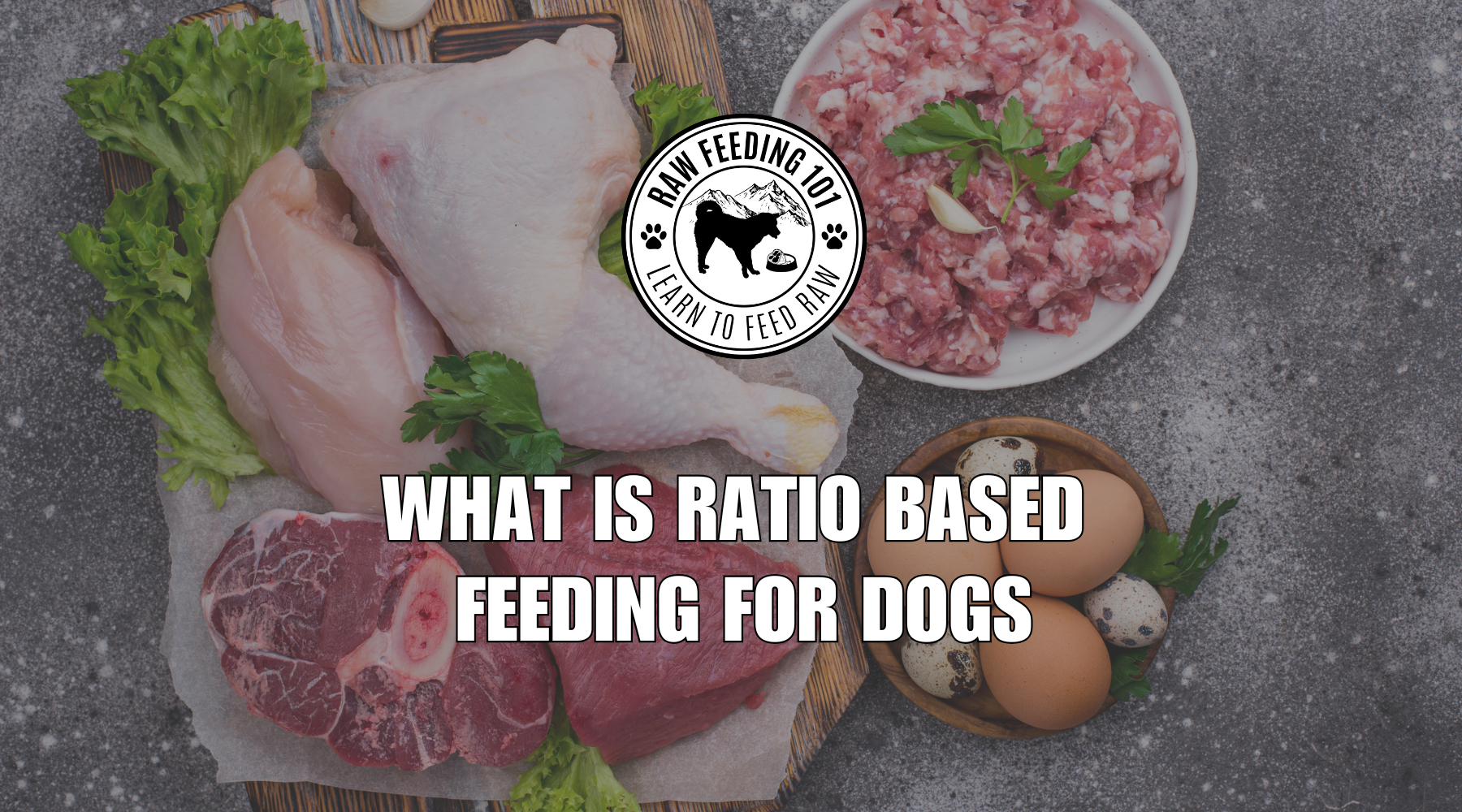
What is Ratio Based Feeding for Dogs
Thinking about switching up your dog’s diet to something more balanced and tailored? You might want to consider ratio-based feeding—a method ensuring your furry friend gets all the nutrition they need, perfectly portioned to support their health, growth, and energy levels. Whether you have a bouncy puppy, an adult dog, or a senior pooch, this approach customizes their meals based on age, size, and activity level, aiming to prevent obesity and address specific health concerns like allergies.
It’s all about striking the right balance between proteins, fats, carbohydrates, and essential vitamins and minerals. If you’re ready to dive into a more natural and health-conscious way of feeding your dog, this guide will walk you through the importance of ratio-based feeding, its key components, and how to smoothly transition your dog to this nutritious diet plan. Get ready to embark on a journey towards enhancing your dog’s health and wellbeing through mindful feeding practices!
Ratio-Based Feeding for Dogs: Ensuring a Balanced Diet
Ratio-based feeding for dogs is a dietary strategy that prioritizes the health and nutrition of pets through carefully measured proportions of various food groups. This approach is centered around the concept of balanced nutrition, aiming to fulfill all of a dog’s dietary needs according to their age, size, activity level, and any specific health conditions. At the heart of ratio-based feeding is the understanding of how different food groups—including proteins, carbohydrates, fats, vitamins, and minerals—contribute to a dog’s overall well-being.
By adhering to specific ratios of these nutrients, the method seeks to support essential bodily functions, promote healthy growth, and maintain an ideal weight, all while preventing nutritional deficiencies or excesses. Incorporating a diverse array of ingredients within the established ratios not only ensures a comprehensive diet but also keeps meals interesting for the dog, enhancing food acceptance and digestion. Although this dietary approach demands a dedication to meticulous meal planning and preparation, it represents a customizable and holistic way to care for dogs.
This aligns with a broader trend towards more natural and health-conscious pet care practices, reflecting a deepening understanding of the importance of nutrition in animal health.
Why is Ratio-Based Feeding Important for Dogs?
Ratio-based feeding is crucial for ensuring dogs receive a balanced and complete diet, tailored to their unique nutritional needs. This method is instrumental in preventing obesity by controlling caloric intake, a significant concern given the rising rates of pet obesity and its associated health risks. Moreover, it addresses specific health issues such as allergies by allowing for the careful selection and proportioning of ingredients.
By emphasizing the right balance of proteins, fats, carbohydrates, and essential vitamins and minerals, ratio-based feeding supports optimal metabolic function and overall health. It takes into account the dog’s life stage and activity level, ensuring the diet supports their health and energy needs comprehensively. Adopting a ratio-based diet can lead to improved weight management, enhanced energy levels, and a reduced risk of diet-related diseases, highlighting a proactive approach to canine nutrition.
Ensures Balanced Nutrition
Ratio-based feeding ensures dogs receive a diet that balances proteins, fats, carbohydrates, and essential vitamins and minerals. This comprehensive approach supports overall health, aiding in digestion, enhancing immune response, and promoting muscle and bone health.
Prevents Obesity by Controlling Caloric Intake
By managing the proportions of various food groups, ratio-based feeding plays a crucial role in regulating calorie consumption. This is vital for preventing obesity, thereby protecting pets from obesity-related health issues.
Addresses Specific Health Concerns Like Allergies
This feeding method allows for the careful selection of ingredients, making it an effective strategy for managing dietary sensitivities and allergies. By tailoring the diet to avoid common allergens, dogs with specific health concerns can enjoy a balanced, nutritious diet without compromising their well-being.
What are the Key Components of a Ratio-Based Diet for Dogs?
A ratio-based diet for dogs is meticulously designed to ensure a balanced and comprehensive intake of essential nutrients. This diet focuses on four critical components: proteins, fats, carbohydrates, and vitamins and minerals. Each plays a unique role in supporting your dog’s health, growth, and energy levels.
Below is a detailed table that outlines these components, their sources, and their benefits:
| Nutrient | Sources | Benefits |
| Proteins | Animal: Chicken, Beef, Fish Plant: Lentils, Peas | Supports muscle health and repair, provides essential amino acids |
| Fats | Oils: Flaxseed, Fish Oil Meats: Chicken, Beef | Maintains healthy skin and coat, supports cognitive function |
| Carbohydrates | Grains: Brown Rice, Barley Vegetables: Sweet Potatoes, Carrots | Provides energy, supports digestive health |
| Vitamins and Minerals | Varied fruits and vegetables, Supplements as recommended | Supports metabolic processes, bone health, and immune system |
- Proteins: Vital for muscle development and repair, proteins should come from a mix of animal and plant-based sources to ensure a well-rounded amino acid profile. Animal proteins offer high biological value, while plant-based proteins can provide additional fiber and nutrients.
- Fats: Essential for energy, healthy skin and coat, and supporting cognitive function. Fats should include a balance of saturated and unsaturated fats, with a focus on omega-3 and omega-6 fatty acids for their anti-inflammatory properties.
- Carbohydrates: Serve as the primary energy source. It’s important to choose complex carbohydrates that provide sustained energy and are rich in fiber to support digestive health.
- Vitamins and Minerals: Crucial for supporting a wide range of physiological functions, including metabolic support, bone health, and immune function. A varied diet supplemented as necessary can ensure adequate intake of these essential nutrients.
By focusing on these key components and ensuring your dog receives them in the right ratios, you can support their overall health and well-being, tailoring the diet to their specific needs based on age, activity level, and health status.
How to Determine the Right Ratios for Your Dog?
Determining the right nutritional ratios for your dog involves considering their age, activity level, and consulting with a veterinarian for personalized advice. This ensures their diet is tailored to their specific needs, promoting optimal health and vitality.
Consider the Dog’s Age: Puppies vs. Adults vs. Seniors
Different life stages require different nutritional focuses:
- Puppies need more proteins and fats for growth.
- Adult dogs require a balanced diet for maintenance.
- Seniors benefit from lower-calorie diets to manage weight and support less active lifestyles.
Consider the Dog’s Activity Level: Active vs. Sedentary
Activity levels greatly influence dietary needs:
- Active dogs need higher calories and proteins.
- Sedentary dogs require fewer calories to prevent weight gain.
Consult with a Veterinarian for Personalized Advice
A veterinarian can provide tailored dietary guidance, considering your dog’s health, breed, and lifestyle.
| Factor | Consideration | Action |
| Dog’s Age | – Puppies: High protein & fat. – Adults: Balanced diet. – Seniors: Lower-calorie diet. | Adjust diet to support growth, maintenance, or senior needs. |
| Activity Level | – Active: More calories & protein. – Sedentary: Fewer calories. | Tailor caloric and protein intake to match energy expenditure. |
| Veterinarian Advice | – Health conditions. – Breed specifics. – Dietary sensitivities. | Consult for a diet plan that addresses individual health concerns and nutritional needs. |
By considering these factors and consulting with a professional, you can determine the most suitable ratios for your dog’s diet, ensuring they receive the right balance of nutrients for their age, activity level, and health status. Regular adjustments and monitoring, guided by veterinary advice, will help maintain this balance as your dog’s needs change over time.
What are Common Ratios Used in Ratio-Based Feeding?
In the practice of ratio-based feeding, common ratios are tailored to cater to the varied nutritional demands of dogs, factoring in their level of activity, size, and overall health condition. For active dogs, a widely adopted ratio is 50% protein, 30% vegetables, and 20% grains. This configuration ensures a robust protein supply for muscle repair and sustained energy, while also incorporating essential vitamins, minerals, and fiber from vegetables and grains.
For dogs with average activity levels, a balanced mix of 40% protein, 30% fat, and 30% carbohydrates is commonly recommended. This blend supports a healthy balance of energy, essential fatty acids, and proteins necessary for muscle upkeep. These ratios are intended as starting guidelines, highlighting the necessity for personalization to suit the unique requirements of each dog, with adjustments based on continuous observation of the dog’s health and vitality.
| Activity Level | Protein | Vegetables | Grains | Fat | Carbohydrates |
| Active Dogs | 50% | 30% | 20% | – | – |
| Average Dogs | 40% | – | – | 30% | 30% |
50% Protein, 30% Vegetables, 20% Grains for Active Dogs
For dogs that lead an active lifestyle, a diet ratio of 50% protein, 30% vegetables, and 20% grains is highly recommended. This high-protein composition is crucial for muscle repair and growth, catering to the elevated energy demands of active dogs. The inclusion of 30% vegetables ensures a rich intake of essential vitamins and minerals, supporting overall health and vitality.
20% grains contribute complex carbohydrates for long-lasting energy, rounding out a balanced and nutritious diet for active canines.
40% Protein, 30% Fat, 30% Carbohydrates for Average Dogs
For dogs with moderate activity levels, a balanced diet ratio of 40% protein, 30% fat, and 30% carbohydrates is ideal. This mixture provides a well-rounded source of energy from fats and carbohydrates, while the 40% protein content supports essential muscle maintenance and bodily functions. The 30% fat portion, rich in essential fatty acids, plays a key role in maintaining healthy skin and a lustrous coat, ensuring overall health and wellness for dogs with average energy requirements.
This detailed breakdown and the inclusion of a table provide a clear and comprehensive guide for dog owners looking to implement ratio-based feeding, ensuring they can tailor their pet’s diet to meet their specific needs and activity levels.
How to Implement Ratio-Based Feeding?
Implementing ratio-based feeding involves a careful consideration of your dog’s unique needs, including their size, breed, activity level, and any health concerns. Begin with the recommended ratios that best match your dog’s profile as a starting point for their diet. It’s crucial to monitor your dog’s health and reaction to the diet closely, ready to make necessary adjustments.
This could entail tweaking the proportions of proteins, fats, and carbohydrates to better align with your dog’s changing needs or health status. Ensuring regular vet check-ups is vital during this transition to confirm the diet meets all nutritional needs effectively. Any dietary adjustments should be introduced gradually, to allow your dog’s digestive system to adapt without discomfort.
By observing your dog’s response and maintaining open dialogue with your veterinarian, you can fine-tune the diet, leveraging ratio-based feeding to enhance your dog’s health and wellbeing.
Start with Recommended Ratios Based on Dog’s Size and Breed
Begin the transition to ratio-based feeding by adhering to recommended ratios tailored to your dog’s specific size and breed. These initial guidelines are crucial, providing a targeted approach that addresses the broad nutritional requirements typical for your dog’s genetic and physical profile.
Adjust Based on the Dog’s Health and Reaction Over Weeks
Observation is key during the initial weeks of implementing a new diet. Pay close attention to your dog’s health and reactions to the ratio-based feeding plan. Adjustments may be necessary to fine-tune the balance of nutrients, ensuring the diet aligns with your dog’s unique needs as they adapt.
Changes in energy levels, coat condition, and overall demeanor are important indicators to watch.
Monitor Weight and Health Regularly with Vet Check-Ups
Scheduling regular vet check-ups is indispensable for closely monitoring your dog’s weight and overall health after transitioning to a ratio-based diet. These check-ups offer a professional perspective on your dog’s nutritional status and health, allowing for timely adjustments to the diet based on expert recommendations. Consistent veterinary oversight ensures the dietary regimen remains in the best interest of your dog’s well-being.
What are the Benefits of Ratio-Based Feeding?
Ratio-based feeding brings a host of benefits to dogs, foremost among them being the assurance of a balanced and complete diet. This method meticulously balances proteins, fats, carbohydrates, vitamins, and minerals to meet a dog’s specific nutritional needs, fostering optimal health and supporting a strong immune system, healthy skin and coat, and efficient metabolic function. A key advantage is better weight management.
Tailoring caloric intake to match the dog’s activity level and life stage helps in preventing obesity and maintaining an ideal weight, which is crucial for a dog’s overall health and longevity. Moreover, ratio-based feeding is known to enhance energy levels, making dogs more lively and playful. This boost in vitality can be attributed to improved digestion and the optimal nutrient balance provided by their diet.
The adaptability of ratio-based feeding is another significant benefit. It allows for dietary adjustments in response to changes in health, activity levels, or age, ensuring that dogs receive the most suitable nutrition throughout their lives. This flexibility is instrumental in addressing specific health issues and promoting a state of comprehensive well-being.
Improved Overall Health Through Nutrient Balance
Achieving a nutrient balance specific to a dog’s individual needs is at the heart of ratio-based feeding, significantly enhancing overall health. This method ensures a well-rounded intake of essential nutrients, such as proteins, fats, carbohydrates, vitamins, and minerals, which are crucial for maintaining vital bodily functions. From bolstering the immune system to promoting healthy skin, coat, and efficient digestion, the benefits of a balanced diet are comprehensive and far-reaching.
Better Weight Management Avoiding Obesity or Underweight
Better weight management is a standout benefit of ratio-based feeding, as it meticulously controls caloric intake to match the dog’s lifestyle and metabolic rate. This precise approach prevents the risks associated with obesity and being underweight, supporting an ideal weight that fosters a healthier, more active life.
Enhanced Energy Levels Suitable for the Dog’s Lifestyle
Ratio-based feeding is known for its ability to enhance energy levels, tailoring nutrient intake to support a dog’s specific energy requirements. This optimization ensures dogs have the vitality needed for their daily activities and lifestyle, leading to a more engaged and fulfilling life.
Are There Any Risks Associated with Ratio-Based Feeding?
While ratio-based feeding is highly beneficial for dogs, it’s essential to be aware of potential risks if not properly managed. The risk of nutritional imbalances stands out, as incorrect ratios can lead to deficiencies or excesses in vital nutrients, impacting a dog’s health in various detrimental ways, from bone issues to organ dysfunction. For example, an imbalance might occur if a diet is too high in calcium, potentially leading to skeletal problems in large breed puppies, or if it’s deficient in essential fatty acids, which could result in dry, itchy skin or a dull coat.
Another concern is the risk of overfeeding or underfeeding specific nutrients, even when adhering to recommended ratios. Overfeeding protein, particularly to dogs with renal issues, can exacerbate their condition, while insufficient protein in active dogs can hinder muscle repair and growth. To minimize these risks, it’s imperative to consult with a veterinarian for guidance on planning and adjusting your dog’s diet.
Ongoing monitoring and adjustments based on the dog’s health status, activity levels, and any condition changes are crucial to ensuring the success of ratio-based feeding without negative side effects.
How to Transition Your Dog to a Ratio-Based Diet?
Transitioning your dog to a ratio-based diet is a critical process that requires careful planning and observation to ensure their health and comfort. Here’s a detailed guide on how to effectively make this transition:
Gradually Mix the New Diet with the Old Over 7-10 Days
To minimize digestive upset and help your dog adjust to the new diet, it’s essential to gradually introduce the new food by mixing it with the old diet over a period of 7-10 days. This method allows your dog’s digestive system to adapt to the new food composition gently.
| Day | Old Diet (%) | New Diet (%) | Notes |
| 1-2 | 75 | 25 | Start with a small amount of the new diet mixed into the old. |
| 3-4 | 50 | 50 | Increase the proportion of the new diet to equal that of the old diet. |
| 5-6 | 25 | 75 | The new diet should now make up the majority of the meal. |
| 7-10 | 0 | 100 | Completely transition to the new diet. |
Monitor the Dog’s Reaction to the New Diet Closely
During and after the transition, closely monitor your dog for any signs of discomfort, allergies, or other reactions to the new diet. Key indicators include changes in energy levels, stool consistency, appetite, and behavior. This observation period is crucial for identifying how well your dog is adapting to the ratio-based feeding.
Adjust Ratios as Needed Based on Health and Activity Changes
After successfully transitioning to the new diet, it’s important to remain vigilant and ready to adjust the food ratios as needed. Dogs’ nutritional requirements can change due to health status, activity level, or age. Regular check-ups with a veterinarian can help guide these adjustments, ensuring the diet continues to meet your dog’s needs effectively.
Monitoring and Adjusting the Diet
A key aspect of a successful ratio-based diet for dogs is the process of monitoring and adjusting the diet to cater to the pet’s changing needs. It’s essential to conduct regular assessments of your dog’s weight, body condition, and overall health. This vigilant monitoring helps in pinpointing any signs of nutritional imbalances, such as unexpected weight fluctuations, alterations in coat condition, or shifts in energy levels, which may necessitate dietary modifications.
Observing for signs of food allergies or intolerances is equally critical. Symptoms can range from digestive disturbances to skin irritations or even behavioral changes, indicating a reaction to specific dietary components. Consulting with a veterinarian is indispensable in this ongoing process.
Whether through annual health check-ups or more frequent visits as required, a veterinarian’s expertise can guide necessary adjustments to the diet, ensuring it remains aligned with the dog’s health status and lifestyle. This professional input is vital in maintaining the efficacy of a ratio-based feeding regimen, optimizing the dog’s health and happiness.
Regularly Assess the Dog’s Weight and Body Condition
Regularly assessing your dog’s weight and body condition is paramount in the successful management of a ratio-based diet. This consistent monitoring helps to ensure the diet meets your dog’s evolving nutritional requirements, preventing both underfeeding and overfeeding. Noticing shifts in weight or body condition early can prompt necessary adjustments to the diet, keeping your dog in peak health.
Observe for Signs of Food Allergies or Intolerances
Being vigilant for signs of food allergies or intolerances is crucial for identifying how well your dog tolerates their current diet. Symptoms can manifest as gastrointestinal distress, skin irritation, or unusual itching, signaling that specific ingredients may not agree with your dog. Early detection of these signs enables prompt dietary changes, removing or replacing offending ingredients to safeguard your dog’s health.
Consult a Vet for Diet Adjustments Annually or as Needed
Consulting with a veterinarian for diet adjustments is an essential component of maintaining a balanced ratio-based diet for your dog. Whether it’s part of an annual health check-up or necessitated by emerging health concerns, a veterinarian’s input can offer invaluable insights into the nutritional adjustments required. Their expertise ensures the diet remains aligned with your dog’s health status, activity levels, and life stage, promoting optimal well-being and longevity.